

UK leads biometric border use as travel stress rises
Fri, 20th Nov 2026 (Today)
SITA has published its 2026 Passenger IT Insights report, which says the UK leads the surveyed markets in the use of biometric border technology while also recording the highest level of border-related frustration.
Based on a survey of nearly 8,000 passengers across 24 countries, the findings point to a broader link between travel stress and lost demand for air travel.
The report found that 42% of passengers had decided against taking a trip because they expected the journey to be too stressful. It also found that 80% of travellers believe technology can reduce the stress of flying.
Among frequent flyers, the effect appears stronger. Six in 10 said they had abandoned a trip because of expected stress, while more than half of travellers under 30 said the same.
Passengers identified delays, queues and concerns about baggage as the main sources of stress. SITA said better data sharing between airlines, airports, ground handlers and border agencies could help passengers understand what is happening during a journey and reduce uncertainty.
The report also links lower stress to airports' commercial performance. Shorter queues and clearer information can leave passengers with more time airside between security and boarding, when they may use shops, restaurants and lounges.
David Lavorel, Chief Executive Officer of SITA, said the financial effect of easing stress could be felt across the airport and airline sector.
"Every trip we win back is a seat filled, a parking space sold and a coffee bought," Lavorel said.
He said passengers were clear about where pressure points arise during a trip.
"Travellers are telling us where the stress comes from: delays, queues and worrying about their bags. Most of it comes down to not knowing what happens next. When airlines, airports, ground handlers and border agencies share what they know, passengers can see what is coming before they have to ask," Lavorel said.
Operational focus
The research suggests passengers are open to technology playing a bigger role in journey updates. Four in 10 travellers would accept real-time updates from artificial intelligence, making it one of the areas where passengers show relatively high trust in the technology.
In the terminal, a third of passengers now feel anxious between security and boarding, three times the level recorded in 2023.
Lavorel contrasted that part of the journey with processes where digital tools are already more established.
"In the airport, passengers are calmest at check-in and boarding, where the journey is already on their phone," Lavorel said. "The rest of the journey should feel the same, especially when plans change. If a flight is rescheduled, passengers should know straight away: the new departure time, how to reach their new gate and where their bag is. That is what puts minds at ease."
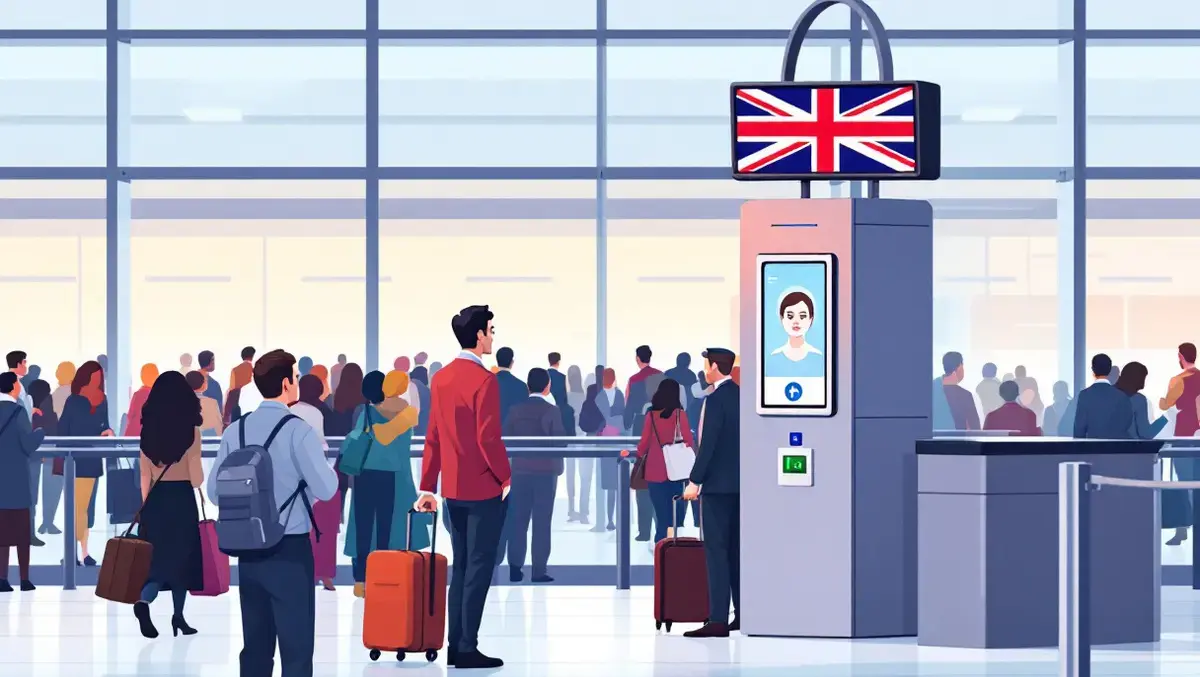
The report's comparison of border processes across markets highlights the UK's mixed position. British travellers are among the most exposed to biometric border technology, yet they also reported the highest level of frustration related to border controls among the 24 countries surveyed.
The finding raises questions about whether rolling out automated systems alone is enough to improve the passenger experience. The survey instead points to the broader travel chain, including queue management, communication and operational reliability.
Elsewhere, the report cited the United Arab Emirates as an example of a different outcome. According to SITA, 77% of passengers there used technology at border control, while only 13% reported negative emotions at that stage of the journey, compared with 37% across the full survey.
Commercial link
The report argues that reducing stress is not only an operational issue but also a revenue one. If travellers decide not to book because they expect airport delays, confusion or baggage disruption, airlines lose ticket sales and airports lose spending linked to passenger throughput.
Lavorel put that connection in direct terms.
"Calm is a commercial measure," Lavorel said. "Airlines see it in bookings, and airports in how passengers use their time once they are through security. Improve today's experience and we'll unlock tomorrow's demand."